Scott 3200A Tailwheel – Fully Rebuilt: Heavy-Duty General Aviation Tailwheel Assembly
Scott 3200A Tailwheel – Fully Rebuilt: Heavy-Duty General Aviation Tailwheel Assembly
Blog Article
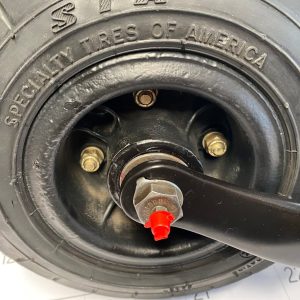
The Scott 3200A Tailwheel – Fully Rebuilt offers a dependable replacement option for suitable taildraggers requiring responsive steering, smooth swiveling, and reliable aircraft ground handling. The meaning of fully rebuilt should be supported by information describing disassembly, cleaning, inspection, measurement, lubrication, component replacement, reassembly, adjustment, and functional testing.
A Scott 3200A Tailwheel Assembly can contribute to controlled taxiing, parking, takeoff alignment, landing rollout, and maneuvering in confined ramp areas. Professional rebuilding can renew worn mechanical relationships when suitable components and procedures are used.
A worn or incorrectly configured Aircraft Tailwheel Assembly can contribute to shimmy, poor tracking, binding, excessive swivel, uneven tire wear, or difficult maneuvering. The General Aviation Tailwheel should be selected according to aircraft weight, tail load, wheel size, spring arrangement, steering configuration, runway environment, and installation requirements.
Whether the goal is a Replacement Aircraft Tailwheel or a broader purchase of General Aviation Landing Gear Parts, qualified review provides the strongest foundation.
Key Benefits of a Rebuilt Scott 3200A
The Scott 3200A is designed to provide tail support, wheel rotation, steering response, and controlled swiveling for compatible conventional-gear aircraft. Maintenance personnel should inspect the complete tailwheel arrangement before concluding that one component is responsible for steering difficulty or shimmy.
Maintaining a Scott 3200A Tailwheel Assembly
The Scott 3200A Tailwheel Assembly includes a wheel-and-fork structure combined with steering and swiveling mechanisms for suitable tailwheel-equipped airplanes. Reusable parts may remain acceptable when they pass inspection, while worn or damaged components should be replaced appropriately.
Professional Scott Tailwheel Rebuilding
The rebuilder should evaluate corrosion, cracking, bearing condition, spring strength, steering engagement, axle wear, bushing clearance, and fastener serviceability. A written work summary helps explain how the seller defines the assembly’s condition.
Aircraft Tailwheel Assembly Benefits
Tailwheel condition influences taxi tracking, turning ability, maneuverability, and pilot workload. The entire installation should be reviewed whenever a rebuilt tailwheel is fitted.
General Aviation Tailwheel Reliability
Grass, gravel, and dirt can introduce moisture, abrasive particles, vegetation, and debris into moving areas. Experimental aircraft installations should be evaluated according to the builder’s configuration and applicable operational requirements.
Benefits of an Aircraft Tailwheel
A well-maintained Aircraft Tailwheel can support smoother tracking and reduce unnecessary pilot workload. Abnormal wear may indicate misalignment, bearing problems, repeated shimmy, poor adjustment, or use on abrasive surfaces.
Taildragger Tailwheel Performance
The Taildragger Tailwheel should be treated as an important ground-control component rather than a minor accessory. Taildragger operation may expose the assembly to side loads during crosswind taxiing, landing corrections, tight turns, and directional-control events.
Benefits of an Aviation Tailwheel System
Every component influences how steering input reaches the wheel and how operational loads return to the aircraft. Steering chains or links should have suitable tension, symmetry, attachment security, and freedom of movement according to the aircraft configuration.
Benefits of a Tailwheel Steering Assembly
Wear in these components may create looseness, poor tracking, inconsistent engagement, or delayed control. The full steering and swivel range should be checked after installation.
Aircraft Taxi Steering Performance
Its mechanical condition influences how easily the aircraft can turn and track on the ground. Ground personnel should avoid forcing the aircraft beyond suitable steering limits.
Scott 3200 Series Tailwheel Heritage
The Scott 3200 Series Tailwheel has become familiar within general aviation through its use on Aviation Tailwheel System numerous conventional-gear aircraft and restoration projects. Different Scott 3200 variants, later manufacturing versions, replacement parts, and modified assemblies may exist.
Choosing a Heavy-Duty Aircraft Tailwheel
Professional review remains necessary before fitting a Heavy-Duty Aircraft Tailwheel. Even a robust assembly can wear quickly when the tail spring, steering links, mounting bolts, or alignment are incorrect.
Tailwheel Aircraft Parts
Every component should match the intended Scott assembly and aircraft installation. A weak spring, worn bushing, rough bearing, damaged pawl, or incorrect fastener may create movement throughout the mechanism.
Maintaining Aircraft Steering Components
Consistent steering can reduce unnecessary brake use and improve maneuverability in confined locations. Ground loops, abrupt turns, crosswind corrections, rough surfaces, and towing events can place side loads on the steering system.
Buying a Replacement Aircraft Tailwheel
A Replacement Aircraft Tailwheel should be selected through exact aircraft application, mounting details, tail-spring configuration, steering arrangement, and suitable technical information. The replacement should be inspected after delivery for shipping damage, missing components, rough bearings, incorrect hardware, cracks, or visible defects.
General Aviation Landing Gear Parts
The tailwheel should be considered within the broader condition and alignment of the aircraft landing gear. The product description should explain whether components are rebuilt, repaired, serviced, inspected, untested, or sold for parts.
Scott 3200A Pre-Purchase Inspection
The buyer should request enough information for a qualified maintenance professional to review the assembly before purchase.
- Request photographs of the front, rear, sides, wheel, fork, steering arms, mounting area, identification marks, and loose components.
- Do not treat clean paint, fresh grease, or bright hardware as proof of a complete mechanical rebuild.
- Require packaging that protects the wheel, fork, steering arms, mounting surfaces, fittings, and loose hardware from impact and movement.
Installing the Scott 3200A Tailwheel
Mounting surfaces, steering springs, chains, hardware, and attachments should be reviewed before the rebuilt unit is installed. The steering linkage should respond properly without restricting rudder movement.
Controlled taxi testing may help confirm steering response, centering, ground tracking, brake interaction, and shimmy resistance.
Protecting a Rebuilt Tailwheel Assembly
Aircraft operating from dirt, grass, gravel, mud, or backcountry strips may require more frequent attention. Recurring shimmy or unusual tire wear should be diagnosed rather than addressed through repeated adjustment without identifying the cause.
Hardware and moving areas should remain visible enough for inspection.
Buying a Fully Rebuilt Scott Tailwheel
For the correct installation, the rebuilt assembly can support directional steering, controlled swiveling, predictable taxiing, and long-term serviceability. A qualified aircraft maintenance professional should evaluate the complete installation before the tailwheel is returned to operational service.
Whether the project involves an Aircraft Ground Handling Tailwheel, Scott 3200 Series Tailwheel, Heavy-Duty Aircraft Tailwheel, or Tailwheel Aircraft Parts, rebuild documentation should be reviewed carefully. With responsible operation, protected shipping, timely maintenance, and organized documentation, the rebuilt tailwheel can remain a valuable aviation component.
Report this page